The last morning in camp often comes too quickly. Your bags are packed, the coffee is on, and the trophies taken after long hours on foot through the Namibian veldt are still fresh in your mind. Before you leave, there is one practical matter worth understanding clearly: getting those trophies home. This trophy shipping guide explains the process in plain terms, so you know what happens after the hunt and why patience, proper paperwork, and good preparation matter.
A quality kudu, eland, oryx, zebra, or buffalo trophy deserves more than a rushed shipment. It needs careful field handling, legal documentation, professional preparation, and a shipping plan that fits the laws of Namibia and your home country. The process is not difficult when it is managed properly, but it is not overnight work either.
What Happens to Your Trophy After the Hunt
The work begins in the field. After an animal is taken, the professional hunter, skinners, and camp team handle the trophy according to the species and the hunter’s wishes. Horns, capes, skulls, hides, and full mounts all require different treatment. A shoulder mount kudu needs a carefully caped skin, while a European skull mount or a zebra rug follows a different path.
Good field preparation protects what you worked for. Skins must be properly fleshed, salted, dried, labeled, and recorded. Horns and skulls need to be cleaned and identified correctly. Each item is matched to your name, species, tag information where applicable, and the required export records. This is not glamorous work, but it is where much of the final quality is protected.
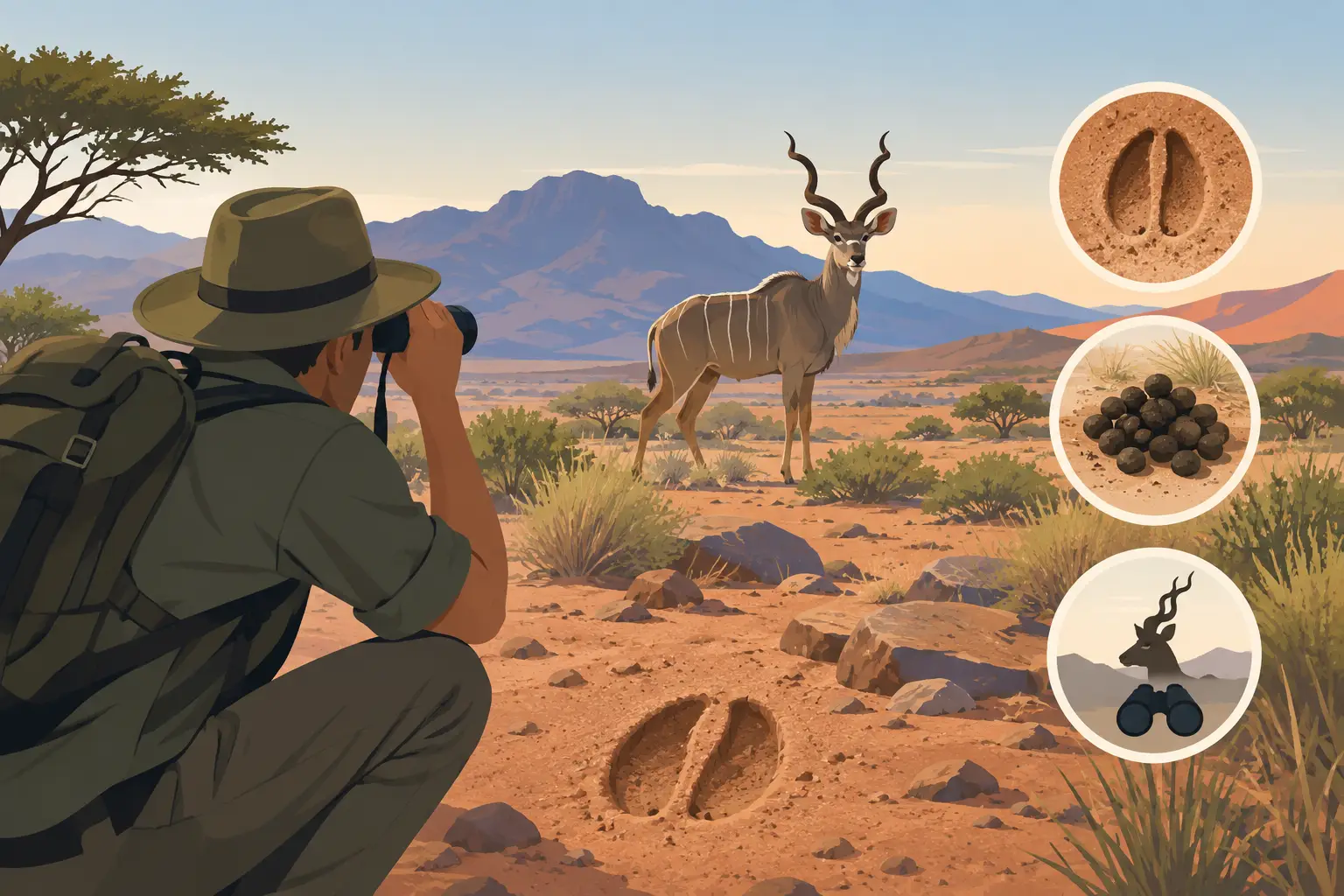
At Eldoret Hunting Safaris, we take this side of the safari seriously because a fine trophy can be spoiled by poor preparation long before it reaches a taxidermist. The hunting may be walk-and-stalk, guided by the tracks in the sand and the quiet work of experienced local trackers, but the handling afterward must be organized and exact.
Your Trophy Shipping Guide Starts Before Departure
The best time to discuss shipping is before you get on the plane for Africa. Tell your outfitter what you hope to hunt and how you would like each trophy finished. You do not need every decision made in advance, but it helps to know whether you are leaning toward shoulder mounts, pedestal mounts, skull mounts, rugs, or tanned hides.
Your final trophy list may change in camp. A hunter may arrive focused on a kudu and leave with an exceptional blue wildebeest, a heavy-horned gemsbok, and a warthog with more character than expected. That is normal. What matters is that the field team knows how you want each animal handled before the skinning work is completed.
You should also choose where the final taxidermy will be done. There are two common routes. Some hunters use a Namibian taxidermist to complete the mounts before shipment. Others have trophies dip-packed in Namibia, then shipped to a taxidermist in the United States, Canada, or Europe for mounting.
Neither choice is automatically better. Completed taxidermy can save coordination on the receiving end and allows work by specialists familiar with African species. Dip and pack generally costs less to ship, gives you direct control over the finished mounting work, and may make sense if you have a trusted taxidermist at home. The trade-off is that crates containing finished mounts take up more space and can cost considerably more in freight charges.
Paperwork Is Part of the Hunt
Every legally taken trophy needs a paper trail. Depending on the animal and destination, this may include hunting permits, export permits, veterinary documents, taxidermy paperwork, and shipping documents. Certain species may require CITES permits or additional approvals from your own country before export or import.
This is especially relevant for dangerous game, predators, and species that receive greater international regulation. Buffalo, elephant, leopard, lion, crocodile, hippo, and certain other trophies can involve requirements beyond the process for common plains game. Regulations can change, and import rules are not identical for American, Canadian, and European hunters.
For U.S. hunters, the requirements of U.S. Fish and Wildlife Service matter just as much as Namibian export requirements. Your importer, customs broker, and taxidermist should be involved early if you are pursuing regulated species. Do not rely on old advice from a hunting buddy or assume that a permit valid for one country covers the next stage. A trophy can be legally hunted yet still face delays if the import documentation is incomplete.
Keep copies of all safari paperwork, invoices, permits, and correspondence. Store digital copies as well as paper copies. If a crate is held for inspection months later, having records at hand makes the answer much easier to find.
Ask These Questions Before You Book Shipping
A reliable taxidermist or shipping agent should be able to explain what is included in their quote and what is not. Before you commit, ask about the preparation work, permit handling, storage fees, crating, airfreight, insurance, customs clearance, and delivery from the port or airport to its final destination.
You should also ask who will contact you when the trophies are ready to ship. Many delays are not caused by the outfitter or taxidermist. They happen because an invoice goes unanswered, an import form is delayed, or the hunter has moved and the consignee details are no longer correct.
Timing: Expect Months, Not Weeks
Trophy shipping moves at the pace of careful work and government processing. Skins need time to cure. Taxidermy takes time. Permit applications and inspections take time. Freight schedules, consolidation of crates, and customs clearance add more time.
For dip and pack, many hunters should expect a wait measured in months. Finished taxidermy can take longer, sometimes well over a year depending on the taxidermist’s workload, the species, and the complexity of the work. A full-body mount, a large giraffe skin, or several plains-game shoulder mounts require more labor and more crate space than a few skull mounts.
The practical approach is to plan for a longer timeline and be pleasantly surprised if things move faster. A rushed job is rarely worth it. Properly dried, treated, documented, and packed trophies stand a far better chance of arriving in good condition.
Crating, Freight, and the Costs That Surprise Hunters
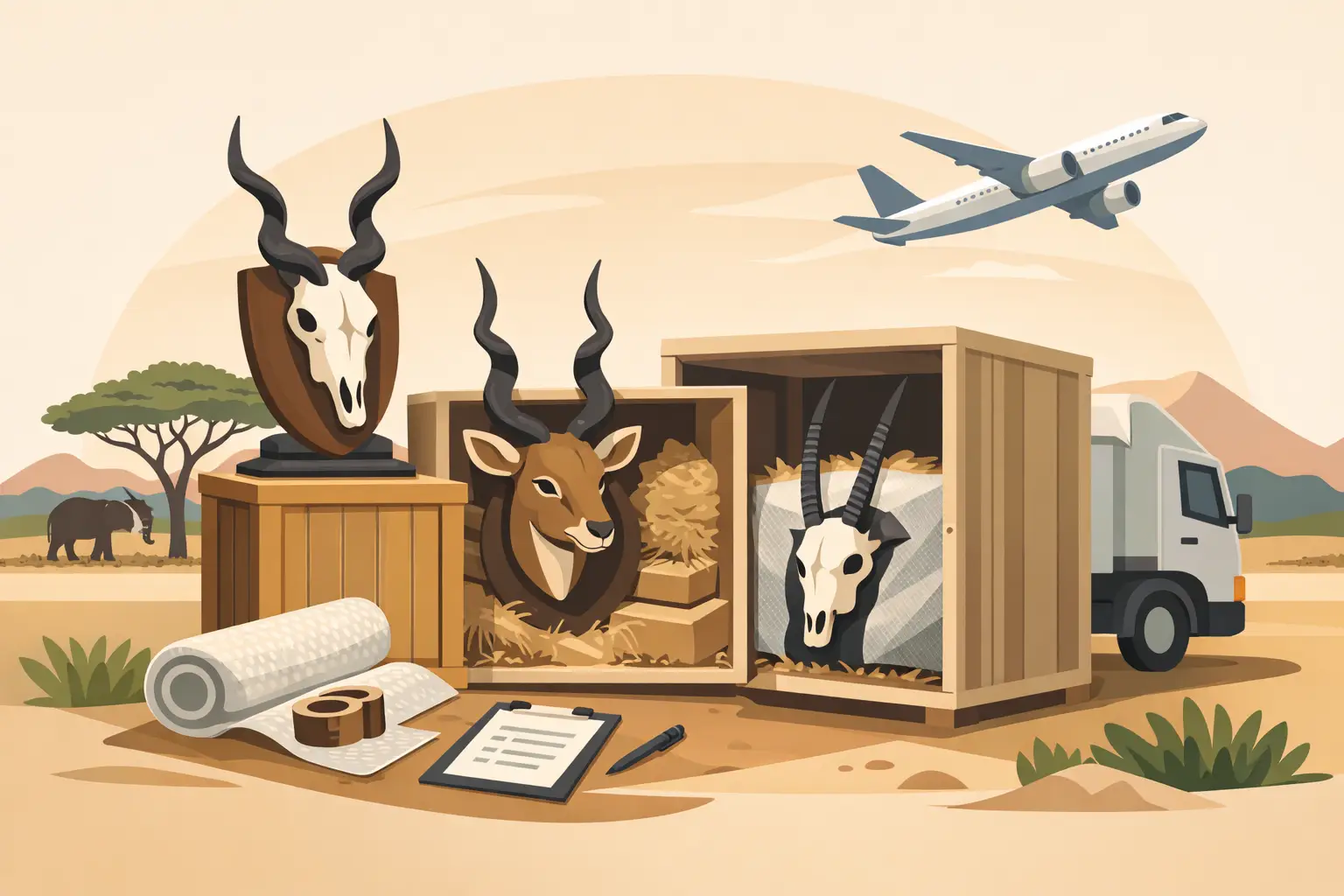
Most international trophy shipments travel by airfreight in a wooden crate. The freight charge is often based on dimensional weight, which means the size of the crate can matter as much as its actual weight. This is why a finished zebra mount or a row of large shoulder mounts can become expensive to ship, even when the crate does not feel especially heavy.
A complete estimate may include taxidermy or dip-pack charges, export permits, veterinary work, crate building, transport to the airport, airfreight, insurance, customs brokerage, inspection fees, and domestic delivery. Ask for the costs in stages. That makes it easier to understand what must be paid in Namibia and what will be due when the crate arrives in your home country.
Consolidating trophies into one shipment can reduce some costs, but it can also mean waiting until every item is ready. If you are sharing a hunt with a spouse, family member, or close friend, shipping together may be sensible. If one hunter has only a few skulls ready while another is waiting on extensive taxidermy, separate shipments may be the better choice. It depends on timing, crate size, and how much you want to spend.
Receiving Your Trophies at Home
When the shipment reaches your country, an importer or customs broker usually handles clearance and coordinates any required wildlife inspection. You may need to provide identification, permits, payment, and instructions for final delivery. Be available when they contact you.
Once the crate is delivered, inspect it before signing off if possible. Photograph any visible exterior damage. When you open it, check the contents against the packing list and inspect horns, skulls, hides, and mounts carefully. Small issues are easier to address when reported promptly and documented clearly.
Do not be alarmed by a little dust, packing material, or the smell of treated hides after a long journey. Focus on structural damage, missing items, broken horn cores, moisture exposure, or paperwork that does not match the contents. A professional shipper and taxidermist will want clear details if there is a problem.
A safari trophy is more than décor. It carries the memory of first light on the veldt, the miles walked behind a tracker, the quiet wait in the thorn, and the stories shared around the fire afterward. Give the shipping process the same steady attention you gave the hunt, and when that crate is finally opened at home, the memories will be ready to take their place on the wall.