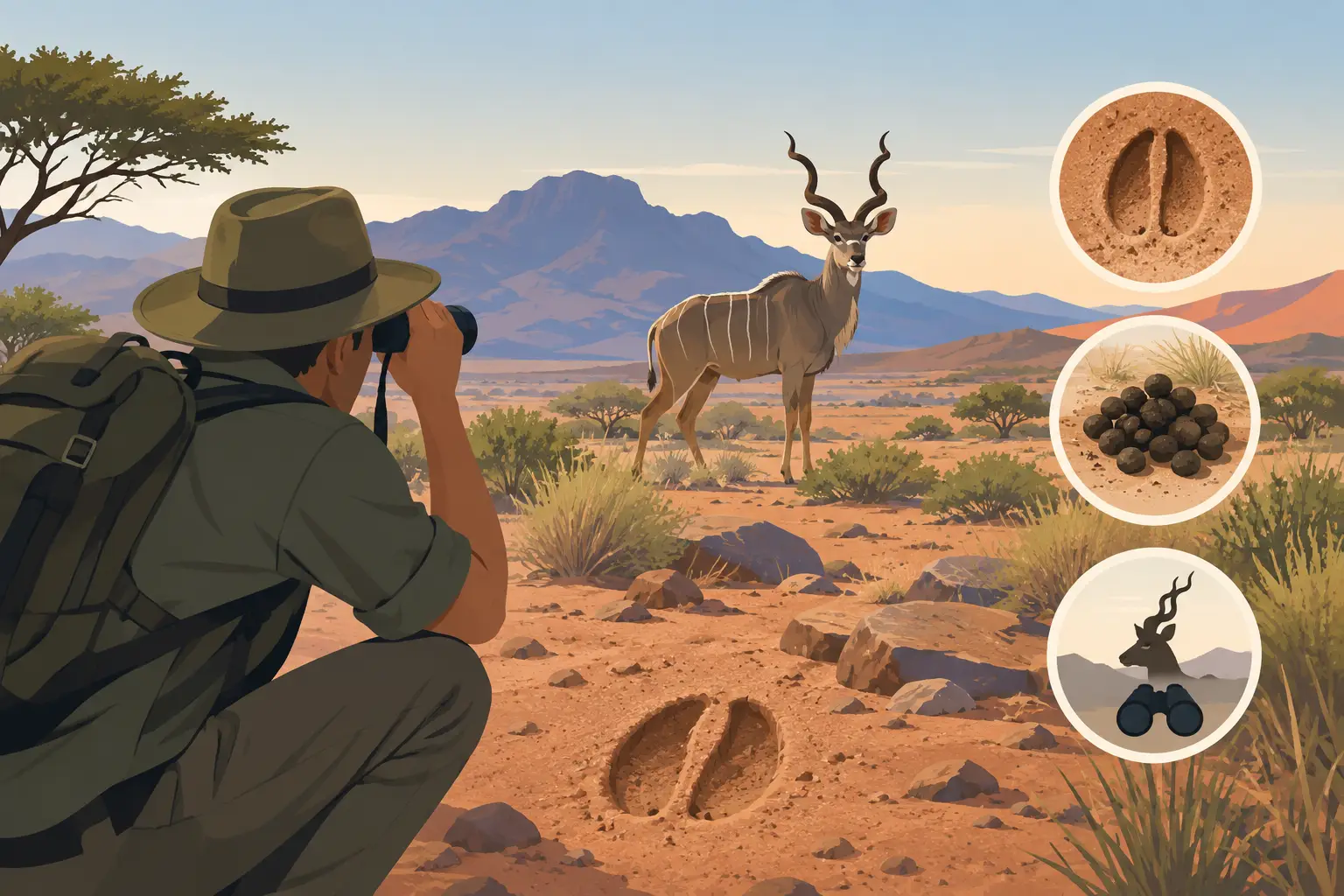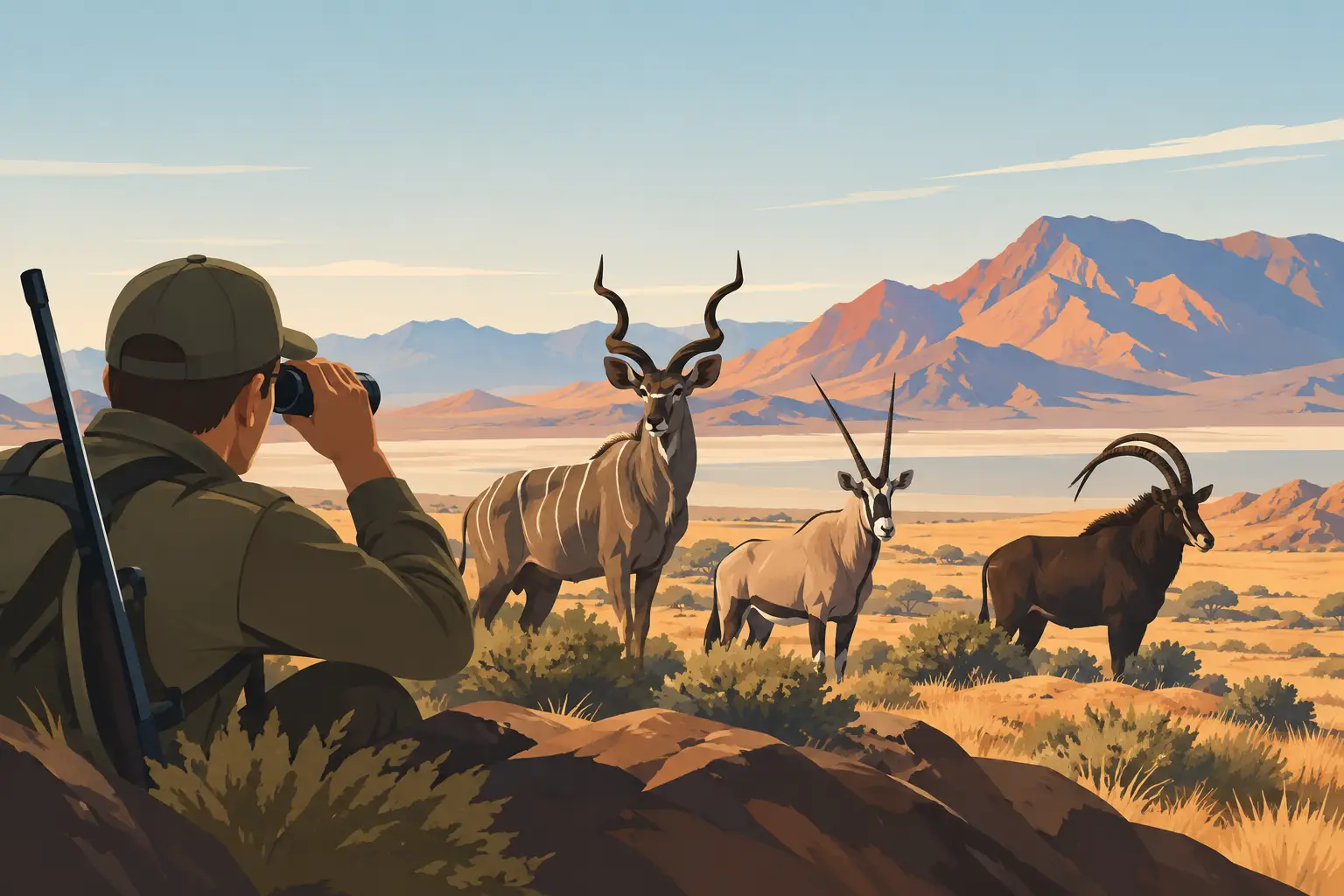
A kudu steps from the thorn brush at first light, and the only sound for a moment is your own breathing. That is the Africa most hunters come for. But before booking flights, many first-time clients ask a sensible question: is African hunting safe? The honest answer is that it can be very safe when the hunt is properly planned, locally guided, and approached with the same good judgment you would bring to any serious backcountry hunt.
Africa is not one place, and a safari is not one kind of trip. Safety depends on the country, the area, the time of year, the species being hunted, the outfitter’s standards, and the decisions you make before and during the hunt. A plains-game safari on a well-managed Namibian property is a very different undertaking from a dangerous-game hunt in a remote river concession.
Is African Hunting Safe for First-Time Safari Hunters?
For most first-time hunters, a professionally run plains-game safari in Namibia is a comfortable and manageable introduction to Africa. Namibia has a long-established safari industry, wide-open country, good internal road connections, and a reputation for political stability. English is widely used in tourism and business, which makes travel easier for American visitors.
Still, safety does not mean careless. A good safari starts long before you see the red sand, mopane, and acacia of the veldt. Your outfitter should provide clear arrival instructions, meet you or arrange a trusted transfer, explain firearm procedures, and give you an honest picture of the hunt. If an operator is vague about where you will stay, who guides the hunt, or how emergencies are handled, keep looking.
At Eldoret Hunting Safaris, guests hunt as one group or one family at a time rather than sharing camp with a rotating crowd of strangers. That arrangement is not only more personal around the dinner table. It also means the professional hunter, trackers, and camp team can focus fully on one party’s plans, pace, and field safety.
For a first safari, plains game such as kudu, oryx, springbuck, warthog, zebra, wildebeest, and eland lets you experience real walk-and-stalk hunting without adding the special risks of dangerous game. You may cover ground on foot, glass from a rise, and follow tracks through thick cover, but you do it with people who know the country and the animals.
The Risks Are Real, but They Are Manageable
A responsible outfitter will not tell you that nothing can happen in Africa. The risks are familiar to experienced outdoorsmen: travel, vehicles, firearms, heat, uneven ground, insects, and wildlife. The difference is that you are in unfamiliar terrain, often far from the services you know at home. Good planning closes much of that gap.
Travel and personal security
Most safari guests pass through international airports and then travel by arranged road transfer or charter to camp. Common-sense travel habits go a long way. Keep passports, permits, medications, and valuables secure. Use transfers arranged by your outfitter rather than improvising transport after a long international flight. Avoid displaying cash or expensive equipment in cities, just as you would in any unfamiliar destination.
Once at a private hunting camp, daily life is generally quiet and straightforward. Your biggest concern may be remembering sunscreen, drinking enough water, and putting boots on before stepping out after dark. Camp staff should tell you where it is appropriate to walk, when to use a flashlight, and how to handle any wildlife around the lodge.
Health, water, and the African sun
Health preparation should be personal and country-specific. Speak with a travel medicine professional well before departure about recommended vaccines, prescriptions, allergy concerns, and malaria prevention for the exact regions on your itinerary. Namibia’s risk profile varies by location, and northern river areas require different preparation than much of the central or southern country.
On safari, dehydration and sun exposure can sneak up on a hunter who is used to cooler conditions. The dry air, long stalks, and excitement of the day make it easy to forget water. Wear a brimmed hat, use sun protection, carry water, and tell your professional hunter if you feel lightheaded, unwell, or unusually tired. There is no prize for pushing through a problem in the veldt.
Food and lodging also matter. Ask how meals are prepared, whether drinking water is supplied, and what accommodations are like. A good camp should be clean, comfortable, and prepared for the practical needs of traveling hunters and non-hunting spouses alike.
Firearm safety never changes
The rifle may be different, the animals may be unfamiliar, but firearm safety is universal. Treat every firearm as loaded, keep the muzzle controlled, and follow the professional hunter’s instructions without debate. On a stalk, your PH decides when the rifle is loaded, when it is safe to move, where the tracker will stand, and when a shot is offered.
This is especially important when hunting behind trackers. San trackers can read sign in ground that appears blank to most visitors. Their skill is one of the great privileges of a Namibian hunt, but it also demands disciplined communication. Never move ahead of the team, fire through brush without a certain target and backstop, or assume an animal is down until the PH says it is safe to approach.
Dangerous Game Requires a Different Standard
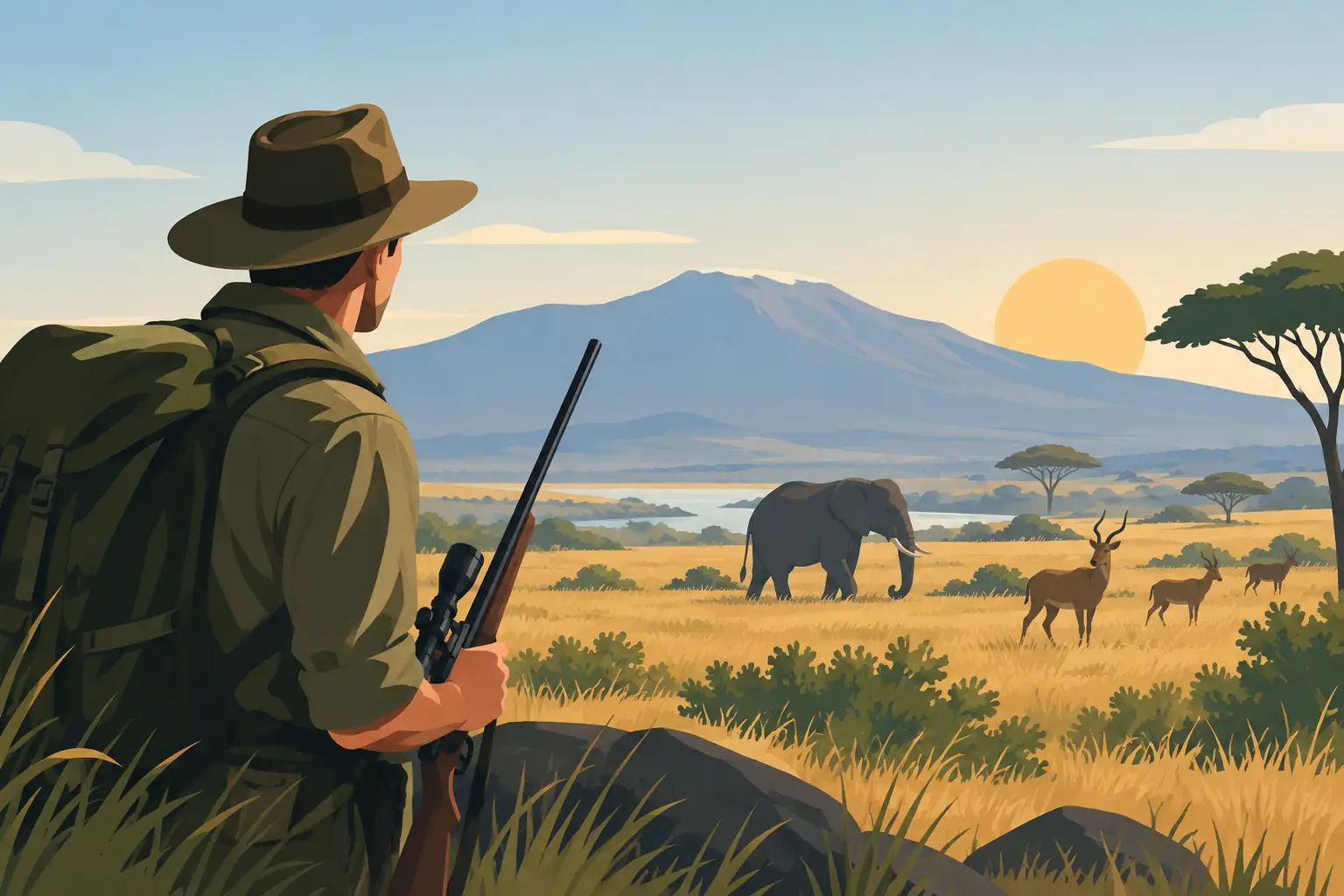
Buffalo, elephant, hippo, crocodile, leopard, lion, and other dangerous-game hunts deserve their own category. They are not simply bigger versions of a plains-game hunt. A wounded buffalo in thick cover, a hippo near water, or a crocodile on a riverbank can turn a routine moment into a serious situation quickly.
Safe dangerous-game hunting depends on a properly licensed professional hunter, experienced trackers, legal permits, suitable rifles and ammunition, sound shot selection, and a team that knows the particular concession. It also requires a hunter who can accept restraint. Passing a marginal shot, waiting for a better angle, or ending a follow when conditions are wrong is good hunting, not a failed hunt.
Ask direct questions before committing to a dangerous-game safari. Who is the PH? How many years has he hunted that species in that area? What is the emergency communication plan? Where is the nearest medical evacuation point? What rifle, ammunition, and shooting ability are expected? Straight answers are a mark of a serious operator.
What a Safe Outfitter Does Before the Hunt Begins
The best safety work happens quietly and early. It shows in well-maintained vehicles, clear luggage and firearm guidance, trained staff, working radios or satellite communication where needed, first-aid readiness, and a realistic plan for medical emergencies. It also shows in the way a PH talks about animals, weather, distance, and your physical ability.
A trustworthy outfitter will ask questions of you as well. Do you have medical conditions? Are you comfortable walking several miles over rough ground? Have you practiced shooting from sticks? Are you bringing a spouse who needs a different daily schedule? These are not intrusive questions. They help shape a safari that fits the people in camp.
Ethical hunting is part of the safety picture. Fair-chase pursuits require patience, careful tracking, and respect for the animal. They are less rushed than volume-driven operations, and that slower pace often produces better decisions in the field. Quality trophies come from mature animals, sound judgment, and enough time to hunt them properly.
How Hunters Can Prepare at Home
You do not need to arrive as an ultramarathoner, but basic conditioning makes the hunt safer and more enjoyable. Walk hills or uneven ground in the boots you intend to wear. Practice mounting and shooting your rifle from sticks, sitting, kneeling, and standing positions. Work on taking one calm, well-placed shot rather than firing quickly from a bench-rest habit.
Bring broken-in boots, light layers, a hat, eye protection, and any personal medications in your carry-on luggage. Pack a small day kit with water, sunscreen, insect protection, and a few basic comfort items. Most of all, listen. Your PH and local trackers know when a trail crosses fresh elephant sign, when a river edge is unsafe, and when a bull kudu has slipped into cover for the day.
Africa rewards hunters who arrive prepared but remain humble. Let the professional hunter set the pace, let the trackers lead when the spoor disappears into the grass, and save enough energy at day’s end to enjoy a good camp meal under the southern stars. That is how a safari becomes not only safe, but the kind of hunt you will want to tell stories about for years.