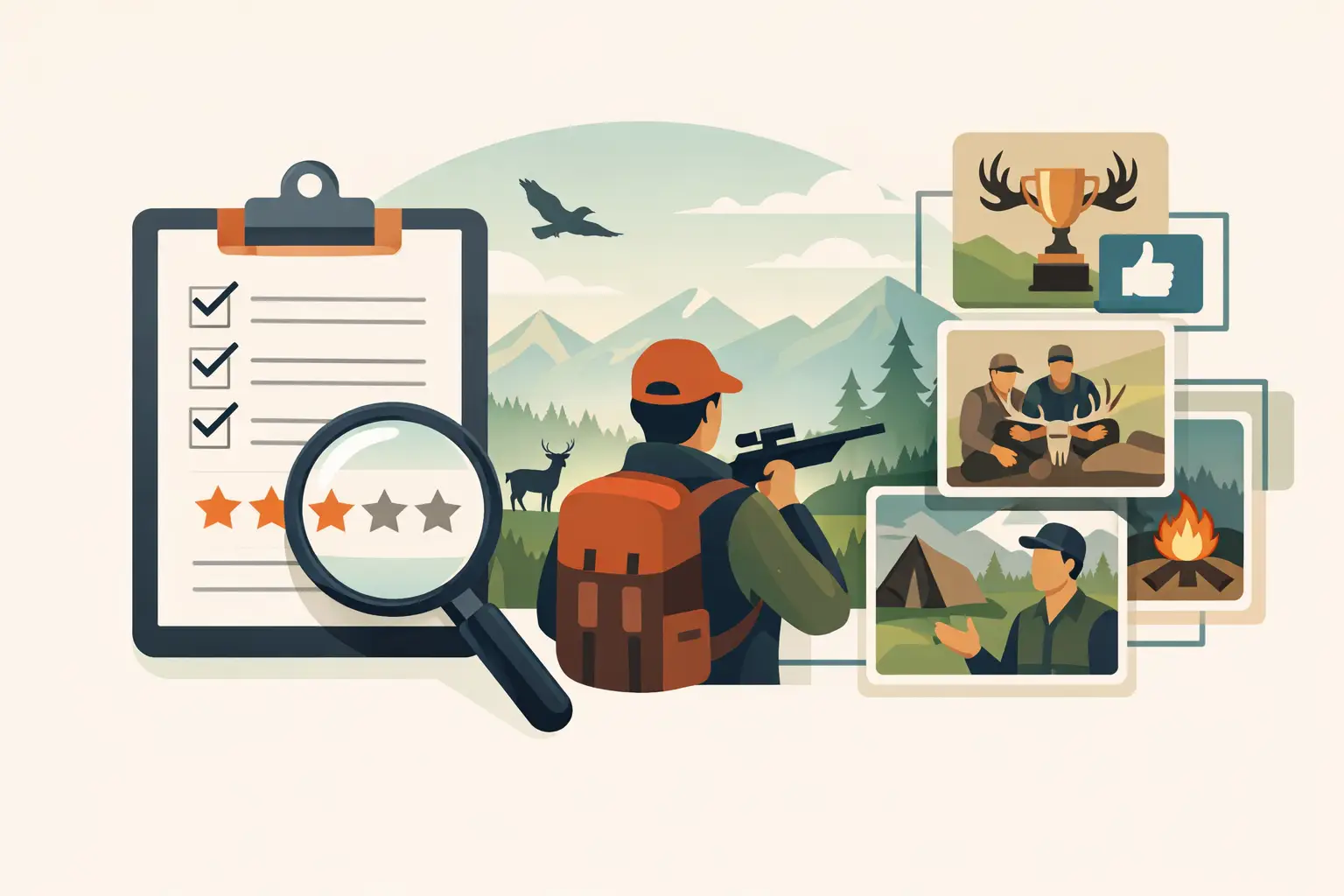
A five-star rating is easy to notice. What takes more judgment is understanding what sits behind it. The most useful guided hunt reviews do not merely say that the food was good or that someone took a fine kudu. They tell you how the hunt was conducted, who was in camp, what happened when conditions turned difficult, and whether the guest felt properly looked after from arrival to departure.
For a hunter planning Africa from thousands of miles away, reviews are often the closest thing to sitting around the campfire with former clients. Read them carefully, but read them with a hunter’s eye. A good review should help you judge the character of the operation, not just the success of one trip.
Guided Hunt Reviews: Look Past the Score
A perfect score can be deserved, but it is only the starting point. Trophy hunting is personal. One hunter may judge a safari by the size of an eland, another by the quality of the stalk, and a couple traveling together may care just as much about the hosts, meals, comfort, and activities between hunting days.
Look for details that could not have been copied from a brochure. A reviewer who describes walking behind trackers through thornveld, passing on a young animal, waiting out a bad wind, or changing the plan after fresh sign was found is usually describing a real field experience. Specifics matter. So does an honest mention of the hard parts: heat, long walks, missed chances, early starts, or an animal that required patience.
A fair-chase hunt should not read like a shopping trip. When every animal is described as taken quickly and effortlessly, ask more questions. There are places and days when hunting comes together fast, of course. But mature, free-ranging game does not follow a schedule, and the finest trophies are often earned through careful glassing, tracking, and a well-timed shot.
What Honest Reviews Reveal About the Hunt
The strongest reviews usually return to the same practical subjects, even when each guest tells the story differently. They speak about the professional hunter’s judgment, the trackers’ skill, the condition and behavior of game, the effort put into trophy selection, and the way the team handled each animal after the shot.
Fair chase is found in the details
Words such as “ethical” and “fair chase” are meaningful only when a review explains what they looked like on the ground. Did the group walk and stalk? Were animals assessed carefully before a shot was considered? Did the guide recommend passing a bull that was not mature enough? Was there respect for shot placement, recovery, and the game itself?
A review does not need to read like a hunting report to answer these questions. Often one line says plenty: a hunter mentioning that the PH wanted another look at a kudu, or that the trackers stayed on a wounded animal’s trail until the work was done. These moments show standards far better than broad promises.
In Namibia, terrain and species make a difference. Oryx may offer a long, open-country challenge. Zebra and wildebeest can be sharp-eyed and unsettled. An old kudu bull may disappear into cover that looks far too thin to hide anything. A genuine account recognizes that every species, property, season, and hunting style brings its own demands.
Trophy quality should not mean pressure
Good outfitters want guests to take animals they are proud of. That does not mean pushing a hunter to shoot every animal seen or making exaggerated claims about what is available. Reviews worth trusting often mention patient trophy selection and a guide who explained why an animal was young, mature, heavy-horned, or simply not the right one for the hunter’s goal.
The right safari may be focused on a single exceptional trophy, or it may be a broad plains-game hunt with several species. Neither approach is better by default. The important question is whether expectations were discussed clearly before the hunt and handled honestly in the field.
The people behind the experience matter
Many guests remember the animal they took for life. They also remember the people who helped make the hunt possible. Reviews that name a PH, tracker, skinner, host, or camp staff member tend to show a personal operation rather than a production line.
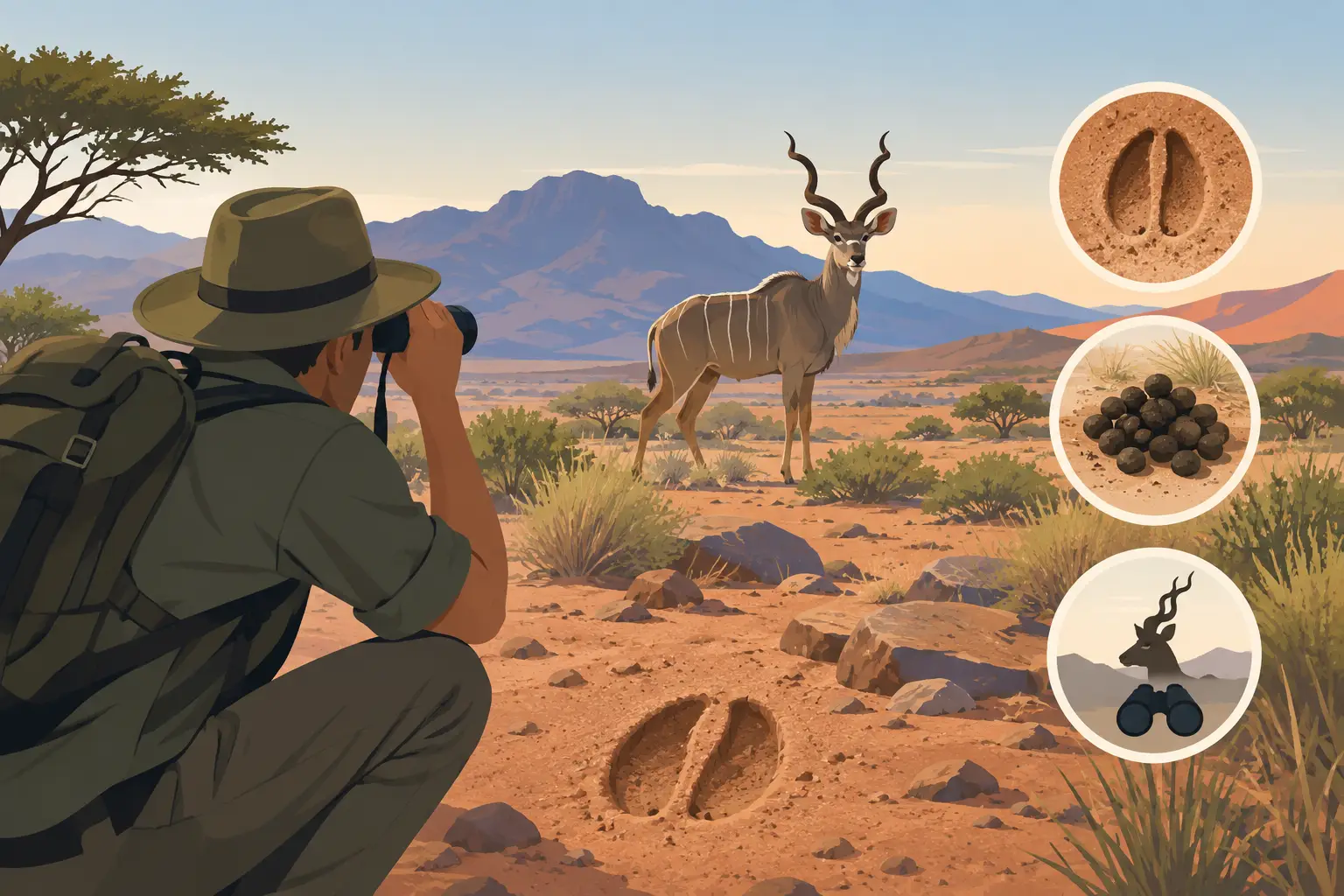
Traditional tracking deserves particular attention. A skilled tracker does more than find footprints. He reads age, direction, pace, disturbances in grass, and the small signs that tell a hunting party whether to keep moving or slow down. On a walk-and-stalk safari, that knowledge can shape the entire day.
At Eldoret Hunting Safaris, San trackers, local guides, and skinners are part of the working hunting team, not background staff. For guests, that means the hunt is built around fieldcraft, steady teamwork, and respect for the people who know the country best.
Read for Camp Life, Not Just Kill Sheets
A safari is not only the hours between first light and sunset. International guests are trusting an outfitter with airport pickups, firearms paperwork, daily transport, accommodation, meals, laundry, trophy care, and the comfort of a spouse or family member who may not hunt every day.
This is where thoughtful reviews become especially valuable. Do former guests mention being welcomed by the owners? Was camp private or crowded? Did hosts make room for different hunting abilities, food preferences, and travel interests? Were non-hunting days handled with the same care as hunting days?
For many couples, one group or one family in camp changes the entire feel of the trip. There is no rush to rotate vehicles, no competing party at breakfast, and no sense that your hunt must fit someone else’s timetable. After a long day in the veldt, a quiet meal, a cold drink, and the chance to talk through the day’s tracks and stalks can be as valuable as any lodge feature.
Reviews also help set a realistic comfort expectation. A hunting camp can be clean, welcoming, and exceptionally well run without pretending to be a city hotel. Look for comments about good beds, hot showers, hearty food, attentive service, and the easy feeling of being hosted. Those are the details that matter after a dawn start and miles on foot.
Watch for Consistency Across Several Reviews
One glowing report is encouraging. A pattern across years is more useful. If guests repeatedly praise the same qualities – hardworking guides, honest trophy evaluation, good food, clean accommodations, family hospitality, and a desire to return – that consistency carries weight.
Pay attention to repeat hunters. An experienced hunter who has traveled to Africa more than once has a useful point of comparison. Likewise, a first-time visitor who says the outfitter made the logistics understandable can tell you a great deal about communication and preparation.
Do not dismiss every short review, but give more weight to reports that explain the trip. A two-sentence compliment may be sincere, yet it cannot answer the questions that matter when you are committing time, travel, and trophy fees.
Questions Reviews Cannot Answer for You
Even the best guided hunt reviews cannot replace a direct conversation. A review may have been written after a different season, for different species, or by a hunter with a very different fitness level and budget. Use reviews to narrow your choices, then ask direct questions about the hunt you want.
Ask how many groups are in camp at one time, how the property is hunted, and what a normal day looks like. Discuss your target species, trophy standards, expected shooting distances, physical demands, included services, trophy fees, and what happens if weather or game movement changes the plan. If a spouse is traveling, ask specifically about fishing, game viewing, river outings, sightseeing, or coastal extensions rather than assuming they are available every day.
Clear answers are a good sign. So is an outfitter who explains limits plainly. No ethical operator can promise a specific wild animal, perfect weather, or an effortless hunt. They can promise preparation, honest effort, experienced people, and a hunting plan suited to the country.
The review that matters most may not be the loudest one. It may be the hunter who writes about a difficult track, a guide who advised patience, a camp that felt like home, and a trophy earned the right way. That is the sort of report worth carrying with you when it is time to choose where you will hunt.