A hunter can spend months studying species, trophy fees, rifles, and airline rules, then make the final outfitter decision after reading a few African hunting reviews. That is understandable. A safari is not a weekend hunt close to home. You are trusting people with your time, your money, your safety, and often a trophy goal you have carried for years.
The best reviews do more than say the food was good or the kudu were plentiful. They tell you what happened when the plan changed, how hard the hunting really was, whether the professional hunter listened, and what camp felt like after a long day in the veldt. Those are the details that separate a polished sales message from a useful account of a real safari.
What Good African Hunting Reviews Actually Tell You
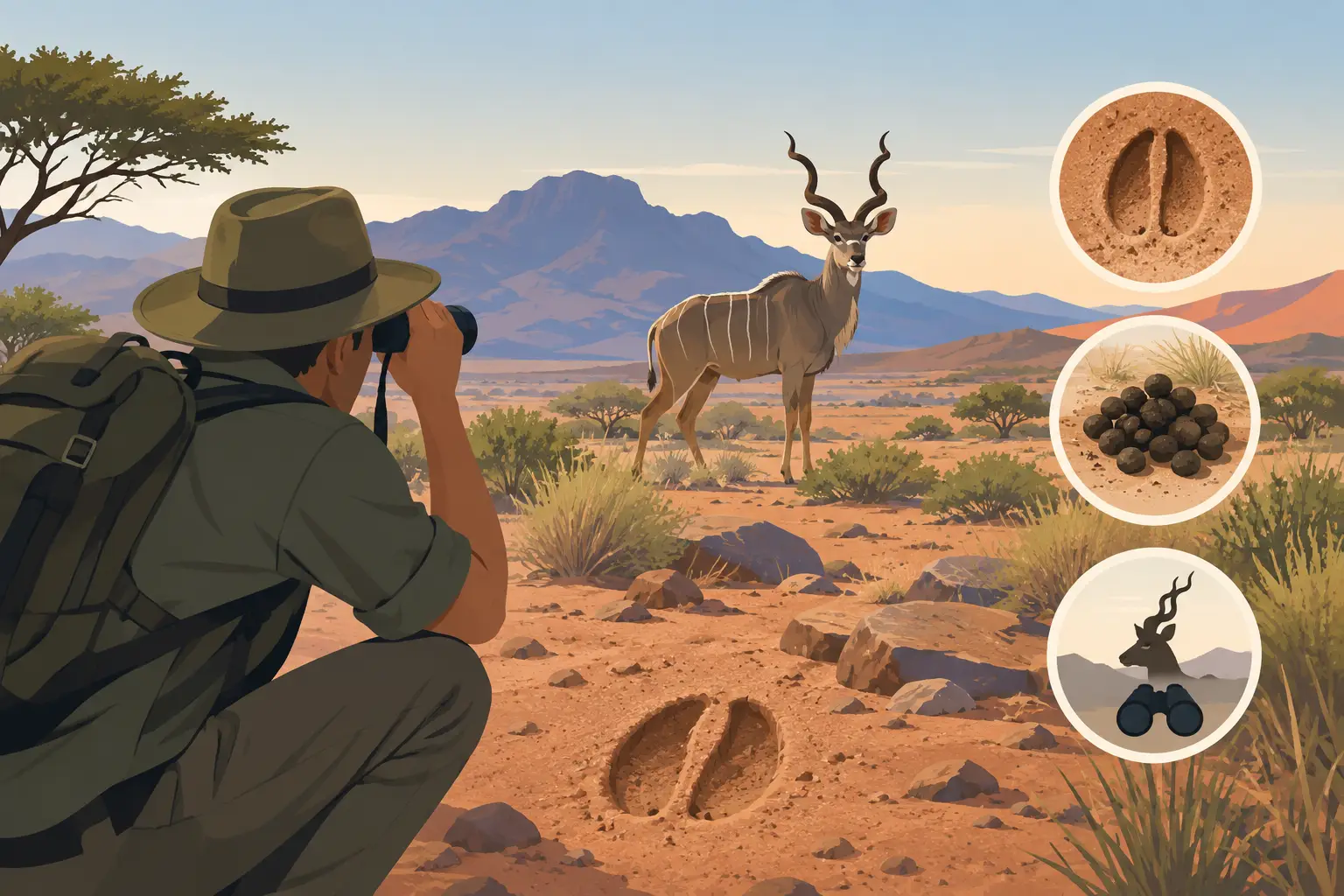
A useful review has a story behind it. The hunter may describe a cold morning on the back of the truck, tracks crossing a sandy road, a long walk through thornbush, or the moment a bull disappeared into thick cover and the trackers stayed with it. Specifics matter because fair-chase hunting has texture. It includes missed chances, changing wind, sore feet, patient glassing, and decisions made in the field.
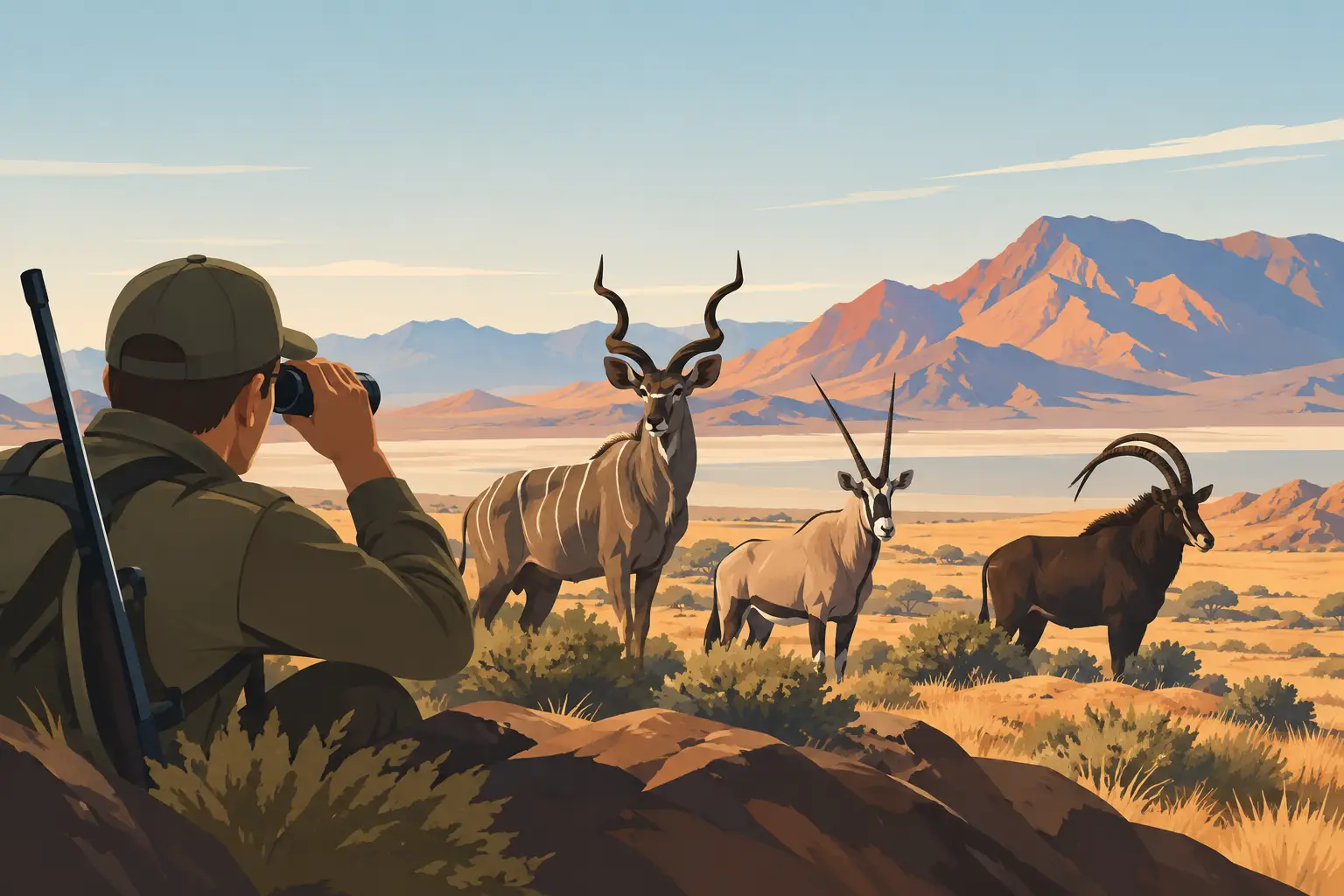
Look for comments about the hunting method. On a genuine walk-and-stalk safari, the vehicle gets you into country, but it does not do the hunting for you. A review that explains how the group spotted, tracked, stalked, and judged an animal gives a clearer picture than one that simply promises big trophies. For many hunters, especially those traveling from the United States, Canada, or Europe, that difference is the reason to come to Africa in the first place.
The same applies to trophy quality. Honest guests usually do not claim that every animal was record-book material. They speak about mature animals, careful judgment, patience, and passing younger game. A responsible outfitter should be willing to say no to an animal that does not meet the hunter’s goal, even when an easy shot would make the day simpler.
Reviews should also reveal whether the safari was tailored to the guest. One hunter may want to concentrate on a heavy-horned kudu and mature eland. Another may be taking a spouse on a first African trip and want a comfortable pace, game viewing, good meals, and time to enjoy camp. A family group may need hunting days balanced with fishing or sightseeing. The right safari is not always the hardest one. It is the one built around the people in camp.
Read Beyond the Trophy Photos
Trophy photographs are part of the record, and most hunters are rightly proud of their animals. But pictures alone cannot tell you if a safari was well run. They cannot show whether the tracker was respected, whether the land was hunted responsibly, or whether the hunter felt rushed to fill a package.
Read for the names people mention. When a guest remembers the professional hunter, tracker, skinner, cook, or host by name, it often says something meaningful about the experience. On a private safari, the people around the fire become a large part of the memory. The best camps are not anonymous lodging between hunts. They are places where the day’s tracks are discussed over supper, the rifles are checked for tomorrow, and guests feel looked after without being fussed over.
Pay attention to how reviews describe problems. No outfitter can control weather, airline delays, a shifting wind, a wounded animal, or a tag allocation that changes from one season to the next. What matters is how the team responds. Did they communicate plainly? Did they keep working when conditions were difficult? Did they offer realistic alternatives rather than empty promises?
A review that mentions a challenge and explains how it was handled can be more valuable than a page of perfect praise. Hunting is not perfect, and a safari should not be judged by whether every day followed a schedule. It should be judged by the integrity and effort shown when the hunt gets hard.
Private Camp Reviews Carry Extra Weight
One detail worth seeking out is how many hunting parties were in camp at one time. Large operations can provide a fine experience, but they can also feel busy. Shared schedules, crowded dining rooms, pressure around vehicles, and several groups hunting the same general area may not suit a guest who has traveled across the world for a personal hunt.
Reviews from private camps often mention the quiet. There is time to talk through the next morning’s plan, adjust the hunt when a particular animal is spotted, or stay out longer because nobody is waiting for the truck. Couples and non-hunting guests notice this too. A spouse may enjoy being included in the rhythm of camp without feeling like an extra person in a crowded lodge.
At Eldoret Hunting Safaris, one group or one family at a time is not a marketing line. It changes the way a hunt can be run across 25,000 acres of northeastern Namibian veldt. A guest’s priorities set the pace, whether that means tracking kudu in the thornveld, looking for a mature zebra stallion, or taking a slower afternoon to watch wildlife and enjoy the sunset from camp.
Questions to Ask After Reading Reviews
Reviews should start your conversation with an outfitter, not end it. Once you have read enough to understand the general reputation, ask direct questions. A reputable operator will not be offended by them.
Ask how the animals are hunted and how much walking is normally involved. Ask what a realistic trophy standard looks like for the species and time of year you plan to hunt. Ask whether your professional hunter will be dedicated to your party, and whether other guests will be in camp. If you are bringing a non-hunting companion, ask exactly what their days can include rather than accepting a vague assurance that there will be plenty to do.
For dangerous game and predator hunting, the questions need to be even more precise. Buffalo, elephant, hippo, crocodile, leopard, lion, cheetah, and hyena hunts depend on legal tags, concession conditions, timing, and local regulations. No ethical operator should guarantee availability before permits and allocations are confirmed. Straight answers here are a good sign, even if the answer is not the one you hoped for.
It also helps to ask what is included in the daily rate, what sits outside the package, and how trophy fees, permits, transport, taxidermy preparation, and gratuities are handled. The cheapest-looking safari is not always the best value. A clear quote and plain communication prevent misunderstandings that can overshadow an otherwise excellent hunt.
Watch for Reviews That Feel Too Perfect
A long row of nearly identical five-star comments should make any experienced traveler pause. Real guests write differently. One focuses on the tracking. Another remembers the camp cook’s bread, the San tracker who found a faint spoor line, or a fishing day on the Okavango River after the hunt. A couple may talk more about the warmth of the hosts and the comfort of being the only guests in camp than about horn measurements.
That variety is healthy. It reflects real people taking different things from the same place. Strong reviews are also balanced in their expectations. Namibia can be hot, dusty, thorny, and physically demanding. A long stalk may end without a shot. The veldt does not owe anyone an easy trophy. Hunters who understand this usually describe their best safaris not as effortless, but as honest.
Be cautious with reviews that focus only on volume. Taking many animals quickly may suit some travelers, but it is not every hunter’s definition of success. If your goal is mature trophies, traditional tracking, time on the ground, and a camp where your host knows why you came, look for reviews that speak to those values.
The Review You Should Hope to Write
Before booking, imagine the review you would want to leave after your own safari. It probably will not begin with a price sheet or a list of measurements. You may remember a tracker kneeling over fresh tracks in pale sand, the sound of guinea fowl lifting from cover, or the relief of sitting down to a proper meal after a full day on foot.
You may remember that your professional hunter told you when to wait, when to pass, and when the moment was right. You may remember that your spouse felt welcome, that the staff worked hard, and that the animal was taken fairly. Those are the memories worth traveling for, and they are the details worth finding in the reviews before you book.